

Coverage Issues
Coverage issues happen when a sprinkler system does not distribute water evenly across the lawn or landscape. Some areas receive too much water while others receive too little.
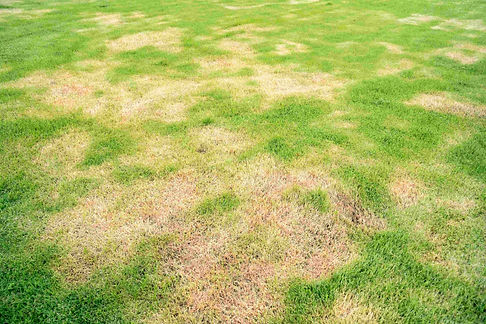
What Are Coverage Issues?
This usually occurs because sprinklers are poorly spaced, misaligned, blocked by plants or structures, or using the wrong type of nozzle. When coverage is uneven, parts of the lawn may develop dry spots, brown patches, or overly wet areas, which can stress plants and waste water.

Common Causes of Coverage Issues
Coverage issues usually happen when sprinklers cannot distribute water evenly across the landscape. The most critical causes are:
-
Misaligned sprinkler heads – Heads spray in the wrong direction due to movement or impact.
-
Clogged or worn nozzles – Dirt or debris distorts the spray pattern.
-
Poor sprinkler spacing – Heads are too far apart, creating dry spots.
-
Wrong sprinkler or nozzle type – Different heads in the same zone apply water at different rates.
-
Obstructions – Plants, grass, or objects blocking the spray.
-
Low water pressure – Sprinklers cannot reach their proper distance.
These problems lead to dry areas, overwatered spots, and wasted water, reducing the overall efficiency of the irrigation system.


Impacts of Coverage Issues
When sprinkler coverage is uneven, the effects quietly accumulate over time. Water is the main input that controls plant health, soil condition, and even irrigation system wear. When some areas get too much water and others too little, the landscape slowly drifts out of balance.
Long-term impacts:
-
Weak or damaged plants – Dry areas stress plants and lawns, leading to brown patches, shallow roots, and reduced growth.
-
Plant diseases – Overwatered zones stay wet longer, encouraging fungi, root rot, and lawn diseases.
-
Higher water bills – People often compensate for dry spots by running the system longer, which wastes water.
-
Soil erosion and compaction – Excess water in certain areas can wash away soil or compress it over time.
-
More weeds and pests – Uneven moisture creates ideal conditions for weeds and insects to thrive.
-
Shorter system lifespan – Irrigation systems that run longer than necessary experience more wear on valves, pipes, and heads.
In the long run, coverage problems quietly transform a healthy landscape into a higher-maintenance and more expensive one, simply because the water is not distributed the way nature—and plant roots—expect it to be.